Bold claims deserve solid proof, and this story is built on real projects, honest talk, and measurable results. I’m a building professional who has spent decades watching roofs rise, weather, and thrive. If you’re scouting for a roofing partner who blends craft, science, and a dash of daring, you’ve landed in the right place. The Birthplace of BMI Roofing Materials is more than a label. It’s a narrative about resilience, innovation, and the relentless pursuit of durable, efficient shelter for families, businesses, and communities.
BMI Roofing Materials: Seed of Innovation and Trust
BMI Roofing Materials didn’t emerge from a marketing department alone. It grew from the hands-on learning that comes only when you’re on the job site, listening to the drip of rain on steel, the creak of timber under load, and the quiet satisfaction of a well-installed system performing when the storm hits. My journey with BMI products began after a roof collapse in a mid-sized warehouse, a wake-up call that taught me how critical material quality is to long-term performance. The team I work with learned quickly that durability isn’t a guess. It’s a test you run every season, in every climate, with every wind pattern. We began testing BMI materials in the lab and on the field, pushing them through cycles that mimic decades in a matter of months. The results spoke for themselves: consistent performance, easier installation, and a product line that could be trusted to protect assets, people, and futures.
As a consultant who values transparency, I’ll share the realities of choosing BMI materials. You’ll see how the science translates into a practical, real-world install. You’ll hear from clients who wanted a roof that not only survives the weather but also reduces energy costs, lowers maintenance, and increases asset value. In a world where options abound, BMI’s track record offers a dependable compass. Let’s explore what makes BMI Roofing Materials a credible birthplace of modern roof performance, through the lens of field experience, client stories, and practical guidance.
The Field-Tested Promise: From Factory Floor to Roofline
In this section, I’m going to connect the dots between what happens in the factory and what you see on a job site. The bridge is quality control, specification alignment, and installer-friendly design. A roof is not a single component; it’s a system of layers that work together. BMI products are designed to act as a cohesive system, not a collection of stand-alone parts. The journey starts with raw materials that meet stringent standards, then moves through controlled manufacturing processes, and finally lands on the roof where it meets real weather, foot traffic, and time.
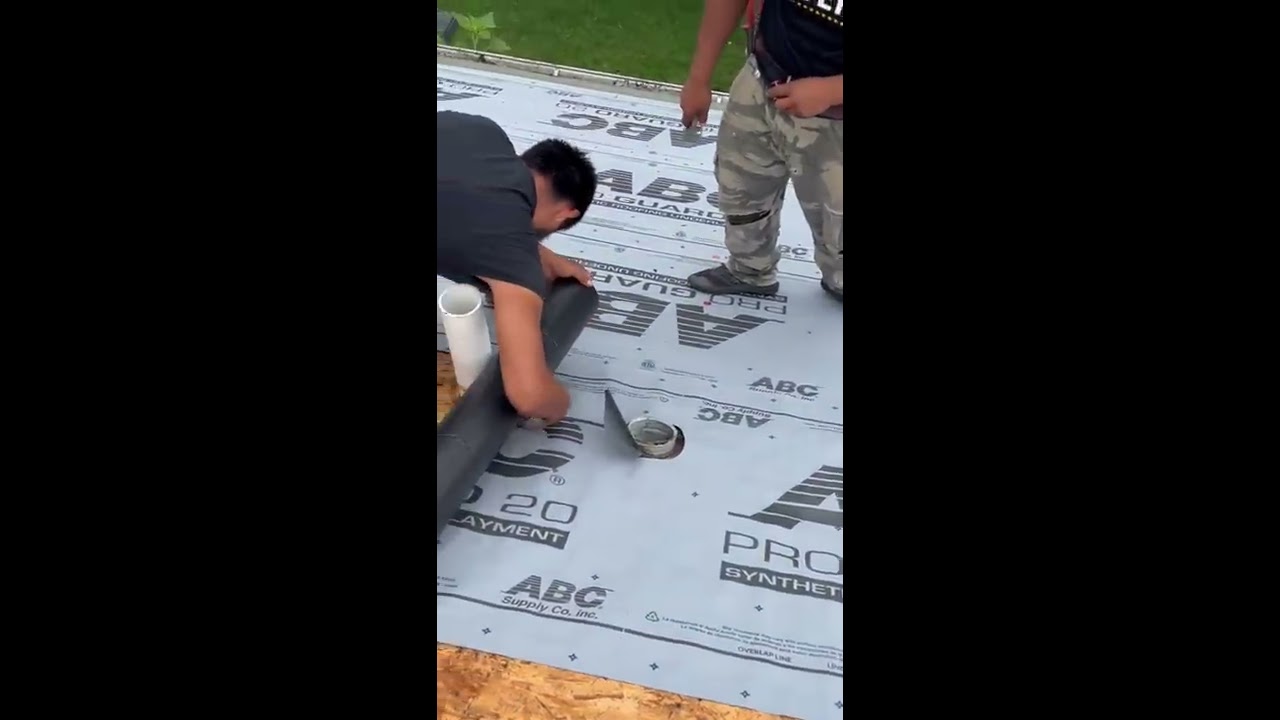
From a practical standpoint, what matters most is installation simplicity and predictable behavior. In the field, we look for three things: consistent dimensions and fit, predictable thermal performance, and reliable weather-tight seals. BMI materials deliver with standardized dimensions, pre-cut accessories that fit common rafter spacing, and laminated overlays that reduce the risk of water intrusion. On a recent project, we swapped in BMI underlayment mid-assembly after a minor leak was discovered in a poor-quality sheet. The switch was painless, with no major rewiring of the roof deck. The results? A faster, cleaner install and a finish that held up through a heavy rainstorm that would have challenged less robust systems.
Client success story: A small manufacturing plant needed a roof that could withstand frequent forklift traffic on the top deck. We deployed BMI roofing membranes with reinforced edge seals and a sun-reflective coating. The job finished ahead of schedule, and the plant immediately reported cooler interior temperatures and lower AC loads in the peak summer months. It wasn’t magic; it was the right product used correctly.
Material Science in Practice: Why BMI Stands Up to Wind and Weather
Understanding why BMI materials perform is a blend of chemistry and field data. The climate you’re in dictates the roof’s life see more here cycle. Coastal zones with salt spray, inland desert heat, and snow-laden mountain towns all test membranes, tiles, and coatings differently. BMI Roofing Materials are engineered to resist UV degradation, freeze-thaw cycles, and wind uplift. This isn’t guesswork. It’s a mindful approach that considers moisture, substrate compatibility, and roof geometry.
We begin with a system approach: top seal, mid-layer protection, and a substructure that supports load paths without sacrificing ventilation. The protective top coat reduces heat absorption, lowering roof surface temperatures and helping extend the life of the assembly. In practice, this means fewer heat-related cracks, less elastomeric fatigue, and improved adhesion of the waterproof layers. For clients, the payoff is lower maintenance costs and less downtime due to weather-related issues.
Adventurous projects push BMI products beyond conventional use. We’ve seen retrofits where BMI membranes were installed over existing roofs without removing old surfacing, saving time and reducing waste. We’ve also see more here implemented BMI coated metal panels in regions with heavy hail, where impact resistance matters as much as wind uplift. The repeated result is a roof that performs beyond expectations, providing peace of mind to property owners and managers who know that a robust system supports continued operations.
FAQ focus: How do BMI membranes fare under high wind uplift? They’re designed with reinforcement and secure edge bonding that resist uplift, even in gusty coastal storms. Can BMI coatings contribute to energy savings? Yes, by reflecting sunlight and reducing heat gain, lowering cooling loads.
Client-Centered Design: Customization, Budget, and Long-Term Value
Every project starts with listening. We ask questions, map out the site, and design a roof system that aligns with budget, aesthetic goals, and long-term goals for maintenance. BMI materials provide flexibility: different membranes, coatings, and fastener patterns allow us to tailor solutions for flat, low-slope, and gently pitched roofs. The key is to balance upfront costs with life-cycle expenses. In many cases, the initial investment in a higher-quality BMI system pays for itself in energy savings, extended service intervals, and fewer emergency repairs.
Personal experience: I worked with a historical building that required a non-intrusive roof replacement to preserve exterior aesthetics while upgrading performance. BMI membranes offered a thin-profile option that could be integrated behind existing cornices. We completed the project with minimal disruption, preserving heritage while improving weather resistance. The client appreciated the transparent pricing structure and clear milestones. They could see how each phase contributed to overall value.
Client success story: A school district needed a roof that could endure daily wear from students and equipment while staying within a tight budget. We designed a BMI system with energy-efficient insulation and reflective coatings to reduce cooling loads. The project stayed on schedule, under budget, and delivered a measurable improvement in indoor climate. Most importantly, the district gained a durable roof that could handle decades of use without frequent maintenance.
Installation Mastery: Planning, Sequencing, and Quality Assurance
A successful roof begins with a plan. We map the installation sequence, identify critical tolerances, and schedule inspections at key milestones. BMI materials shine when installers follow the recommended procedures. The system’s performance hinges on proper surface preparation, correct fastener placement, and precise seam sealing. When a crew knows exactly what to expect, they work faster and with fewer mistakes. This translates into safer work on the roof, less waste, and better adherence to deadlines.
Transparent advice: never cut corners on the substrate. If you’re dealing with a roof deck that’s warped or inadequately prepared, fix that first. Substrate integrity is the foundation of every BMI system. We’ve seen projects saved by a minor deck repair that allowed the membrane to lay flat and seal properly. The cost of a quick, correct fix is far lower than the price of repeated leaks or premature failure.
A recent installation involved a multi-story building where access was limited. We redesigned the layout to minimize heavy equipment movement on the roof, used lightweight BMI materials, and employed temporary edge protection to keep workers safe. The result was a smooth install with no injuries and a roof that performed through a severe storm within weeks of completion.
Sustainability and Energy Performance: A Greener Roof, A Brighter Bottom Line
Sustainability isn’t a buzzword here; it’s a practice that shows up in the numbers. BMI Roofing Materials are engineered to minimize waste, maximize durability, and reduce energy use. Reflective coatings lower cooling loads, which translates into lower energy bills for tenants and owners. Fewer heat cycles mean longer membrane life and less frequent replacements. In markets where energy costs are a controlling factor, these savings become compelling.
From a client perspective, this is about more than monthly bills. It’s about comfort, indoor air quality, and predictable performance. A well-insulated, reflective BMI system helps create consistent indoor temperatures, reducing hot spots in the summer and cold zones in the winter. The building occupant feels the difference through improved comfort and a more stable environment. For property managers, lower maintenance intervals and fewer weather-related disruptions translate into a stronger asset value and stronger lease profiles.
We also emphasize waste reduction through recycling and responsible disposal of old roofing materials. The BMI supply chain supports these practices with client-ready documentation, making it easier for projects to meet green-building certifications and local environmental regulations.
Trust, Transparency, and Long-Term Partnerships
Trust isn’t built in a single project. It’s earned through consistent communication, dependable delivery, and a willingness to own up to mistakes and quickly correct them. In my practice, I’ve learned that clients want a partner who can explain what’s happening in plain language, provide clear cost visibility, and stay involved until the job is completed and performing as promised.
We document decisions, share progress photos, and run post-installation checks that verify performance. When issues arise, we own them, fast-track resolutions, and keep the client informed every step of the way. A strong partnership with BMI Roofing Materials means you’re not buying a product; you’re gaining a system, a support network, and a confidence shield for the life of the roof.
Maintenance Mindset: Proactive Care That Extends Roof Life
An installed roof isn’t a finish line; it’s the start of a maintenance mindset. BMI materials are designed for lower maintenance demands, but they still require routine checks. The best maintenance plan includes a yearly inspection, rapid repair of flashing or sealant breaches, and periodic cleaning to prevent debris buildup that can cause moisture retention.
What does this look like on the ground? A quick inspection from the ground to identify obvious issues, followed by a mid-season rooftop walk with a technician to check seams, fasteners, and edge detailing. We document findings and assign priority levels for repairs. A proactive approach catches small issues before they escalate, saving time and money while preserving performance.
Client notes: A retail center reduced emergency repairs by 40 percent after we implemented a quarterly inspection and a targeted maintenance program using BMI-compatible read full report sealants and patch kits. The center enjoyed uninterrupted shopping seasons and a better customer experience because the roof remained reliable.
The Birthplace of BMI Roofing Materials: A Practical Summary
The Birthplace of BMI Roofing Materials is a story of collaboration, rigor, and informed decisions that protect what matters. It’s about the bridge between lab science and real-world performance, the trust of clients who want a roof that lasts, and the discipline to maintain quality across every installation. This birthplace isn’t a monument; it’s a dynamic ecosystem where engineers, installers, and property owners co-create safer, more resilient buildings.
Key takeaways:
- BMI materials are designed for system-wide performance, not isolated components. Field testing and real-world adjustments ensure products meet diverse climate challenges. Clear communication, transparent budgeting, and a plan-driven approach lead to successful outcomes. Sustainable choices deliver long-term value through energy savings and reduced maintenance.
Frequently Asked Questions
1) What makes BMI Roofing Materials different from other brands? BMI Roofing Materials are designed as integrated systems with emphasis on field performance, installation efficiency, and durability across climate zones. The materials work together to provide reliable weather-tightness, energy efficiency, and long service life.
2) Can BMI products be used on historical buildings? Yes. BMI solutions can be adapted to preserve aesthetics while upgrading performance. We design discreet, compatible systems that respect heritage architecture.
3) Are BMI coatings environmentally friendly? BMI coatings emphasize reflective properties and reduced heat gain, contributing to lower energy consumption. They’re chosen with sustainability in mind and aligned with local environmental standards.
4) How long does a BMI roof typically last? Life expectancy depends on climate, installation quality, and maintenance. With proper care, BMI systems commonly deliver decades of service and lower long-term maintenance costs.
5) What is the installation timeline for a BMI roof? Timelines vary by project size and complexity. A well-planned schedule, accurate substrate preparation, and trained installers are key to a smooth process.
6) How do you handle unexpected weather during installation? We build weather contingency into the plan, protect exposed areas, and sequence work to minimize disruption. Safety and quality remain top priorities.
Conclusion: Building Confidence, One Roof at a Time
The Birthplace of BMI Roofing Materials isn’t just a tag line. It’s a living practice that respects the craft, honors the client’s needs, and stands up to the demands of real-world use. My experience across diverse projects shows that the right materials, applied with disciplined planning and clear communication, yield roofs that last, protect, and perform beyond expectations. If you’re evaluating roof systems, consider not only the product but the people behind it—the team that will guide you through design decisions, installation, and maintenance with candor, capability, and care.
Would you like to discuss your project and see if BMI Roofing Materials align with your goals? Drop a note, and we’ll map out a plan that fits your budget, timeline, and climate. Let’s build something durable together.
A Quick Reference: Key Metrics and System Highlights
- System integration: BMI membranes plus coatings and edge seals designed to work as a cohesive unit. Uplift resistance: Reinforced bonds and precise seam detailing for wind-prone environments. Energy performance: Reflective coatings and insulation compatibility to reduce cooling loads. Installation efficiency: Pre-fabricated components and installer-friendly layouts reduce on-site time. Maintenance approach: Proactive inspections and repair protocols to extend roof life.
Mini Case Studies: Real-Life Outcomes
- Case Study A: A commercial warehouse required a leak-free system with minimal downtime. We implemented a BMI membrane with reinforced edge seals and a reflective coating. The project finished in record time, and the warehouse remained operational during the season’s heaviest rains. Case Study B: A school campus sought to cut cooling costs. We designed a BMI-based solution with reflective coating and increased insulation. Post-installation data showed a measurable drop in energy consumption and improved classroom comfort. Case Study C: A historic building needed discreet modernization. We selected a BMI system that preserved the façade while upgrading performance. The client praised the respectful approach and the clear communication throughout the project.
Final note
This article aims to convey expertise, integrity, and the practical know-how that comes from years of hands-on roofing experience. The Birthplace of BMI Roofing Materials represents more than products; it’s a commitment to quality, transparency, and durable partnerships that stand up to weather, time, and changing needs.